
The Allure of Casino Gaming
Casino gaming captivates individuals across the globe, creating an environment filled with excitement, anticipation, and the possibility of winning. The psychological allure of casinos can be attributed to various factors, including the thrill of risk-taking and the allure of potential rewards. For many, the bright lights and enticing sounds of slot machines and table games create a sensory experience that is difficult to resist. This combination of sensory stimulation and the excitement of chance plays a significant role in drawing players into the gaming atmosphere, especially at a non gamstop casino.
The unpredictability of outcomes in casino games also taps into the human psyche. Players are often attracted to the idea of winning big, which can lead to a heightened sense of excitement. This euphoric feeling can become addictive, as the brain releases dopamine in response to the anticipation of winning. Understanding this psychological dynamic highlights why casinos are designed to create an enticing environment that keeps players engaged and returning for more.
Player Motivation: The Quest for Luck
Player motivations for engaging in casino gaming vary widely, influenced by individual desires and psychological needs. Some players are primarily driven by the thrill of the game itself, while others seek social interaction or a temporary escape from reality. The quest for luck and fortune often plays a central role in attracting players, reinforcing the idea that anyone can strike it rich with a single spin or roll.
Moreover, psychological theories such as the “near-miss effect” suggest that players are often compelled to continue gambling after experiencing a close loss, believing that they are “due” for a win. This illusion of control can lead to persistent gambling behavior, as players may rationalize their losses and become increasingly invested in their outcomes. Recognizing these motivations is essential in understanding player behavior within the casino environment.
The Role of Behavioral Economics
Behavioral economics provides insight into how decision-making processes influence player behavior in casinos. Factors such as loss aversion and the framing of choices significantly impact how players perceive their experiences. For instance, the idea of losing a certain amount can be more psychologically painful than the pleasure of gaining an equivalent amount, which leads players to make impulsive decisions in high-stakes situations.
Furthermore, casinos often employ specific strategies, such as offering free drinks or loyalty rewards, to enhance the gambling experience. These tactics play into various psychological principles, including social proof and commitment bias, encouraging players to gamble more than they might initially intend. By understanding these economic behaviors, casino operators can create environments that maximize player engagement and revenue.
Impact of Environment and Design on Gaming Behavior
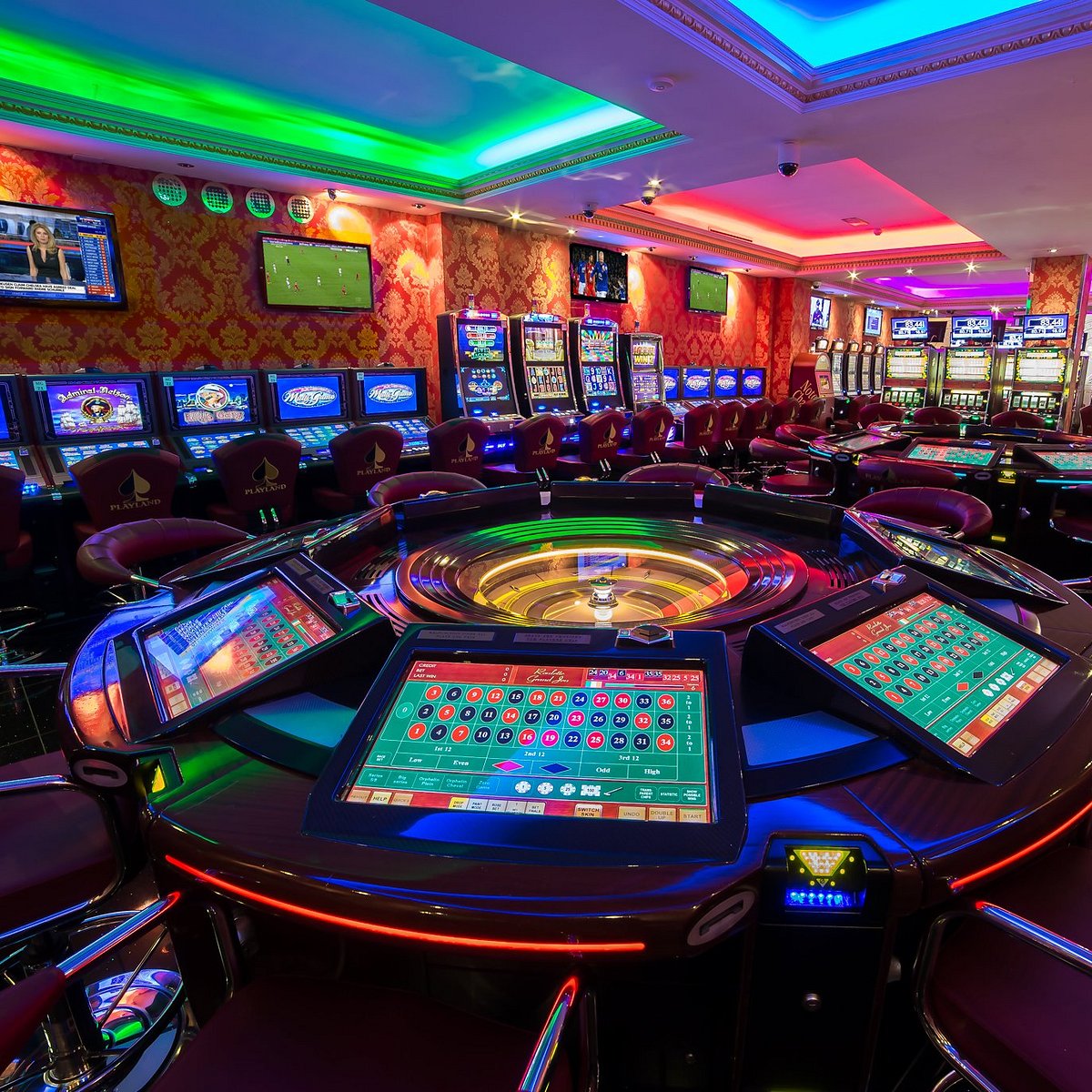
The design and atmosphere of a casino play a crucial role in shaping player behavior. The layout is often carefully planned to encourage players to move freely between games, creating a labyrinthine experience that makes it easy to lose track of time and money. Elements such as lighting, sound, and even scent are strategically used to enhance the overall experience and keep players in a state of excitement.
Additionally, casinos are designed to minimize distractions from the outside world, creating an immersive experience where players can focus solely on gaming. This controlled environment can lead to heightened emotions and decision-making that is often less rational. Recognizing how environmental factors influence player behavior is key for both operators seeking to optimize their venues and players wanting to understand their own gaming experiences.
Prioritizing Safety and Responsible Gaming
As the psychological allure of casino gaming continues to attract players, it becomes increasingly important to prioritize safety and responsible gambling practices. Understanding the psychology behind player behavior can help in developing strategies to promote safe gambling environments. This includes providing resources for education on responsible gaming and implementing measures that protect users from potential risks associated with excessive gambling.
Many casinos and online gaming platforms are now integrating security services designed to safeguard players’ data and enhance their overall experience while ensuring their safety. By encouraging responsible gaming behaviors and providing support resources, these platforms can contribute to a healthier gaming environment. Ultimately, understanding the psychological factors at play will allow for a more balanced approach to the exhilarating world of casino gaming.